The Four Waves of Feminism

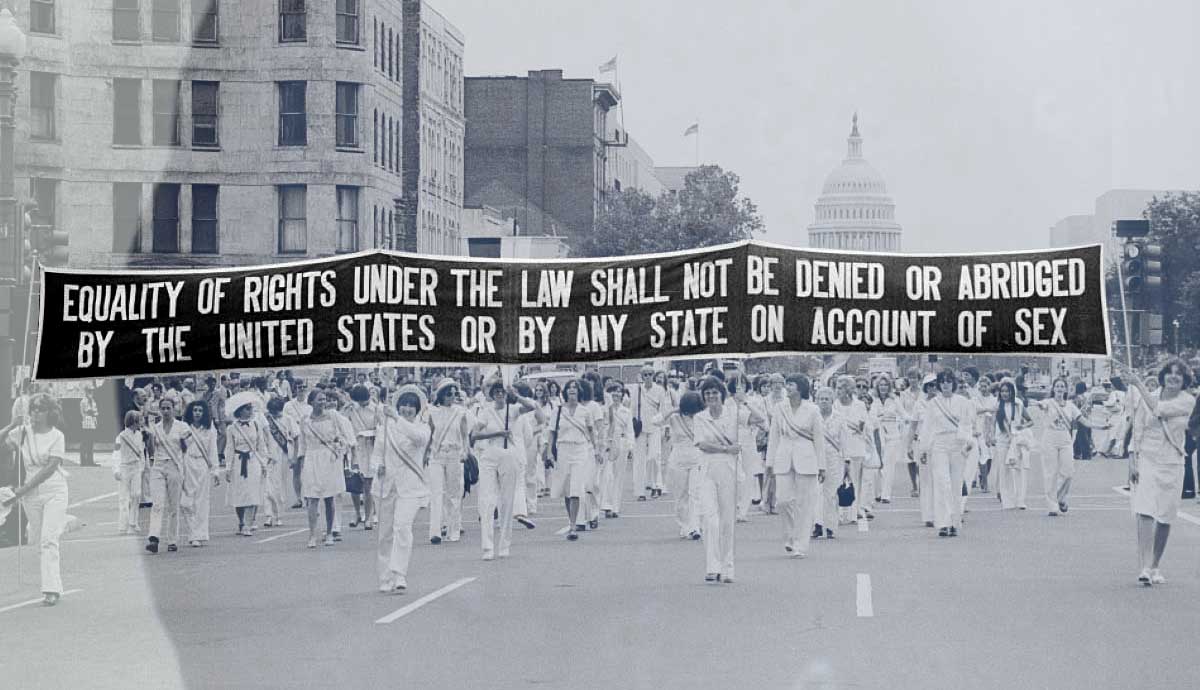
Western feminism went through four waves giving a clear evolution. The first wave focused on the legal rights of suffrage, but mostly led by white Western women. The second wave expanded in workplace equality, and reproductive rights. Then the third one emphasized diversity and intersectionality instead of single feminist identity. The fourth wave paid attention to global solidarity and transnational violence. These waves proved the development of feminism, but in the meantime, it showed that Western norms hold the power most of the time and shaped global feminism perspectives.

Images of four waves of feminism

Transnational Feminism

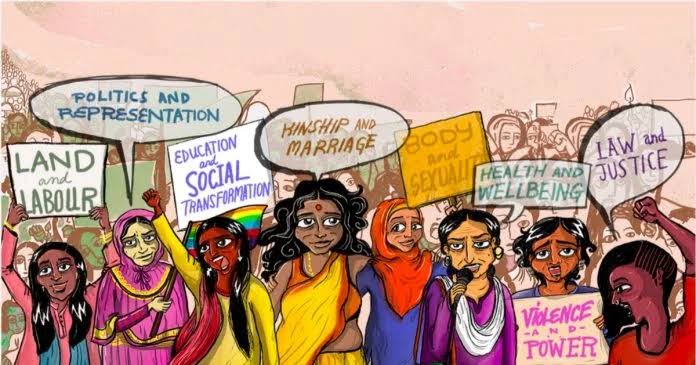
Patricia Valoy’s article about transnational feminism assumed that Western perspective of feminism concentrated more on gender equality regardless of how colonialism, capitalism, religion, migration, and global politics shape women’s lives. Patricia Valoy showed the way Western ideas described other women as passive victims. Instead, she admitted the differences among groups of women when they all came from different backgrounds, and the “saving” was supposed to start within communities, then get support from global power.

“The ways in which global issues affects us is not always the same.” (Valoy, 2015)

Images of transnational feminism

Do Muslim Women Need Saving?

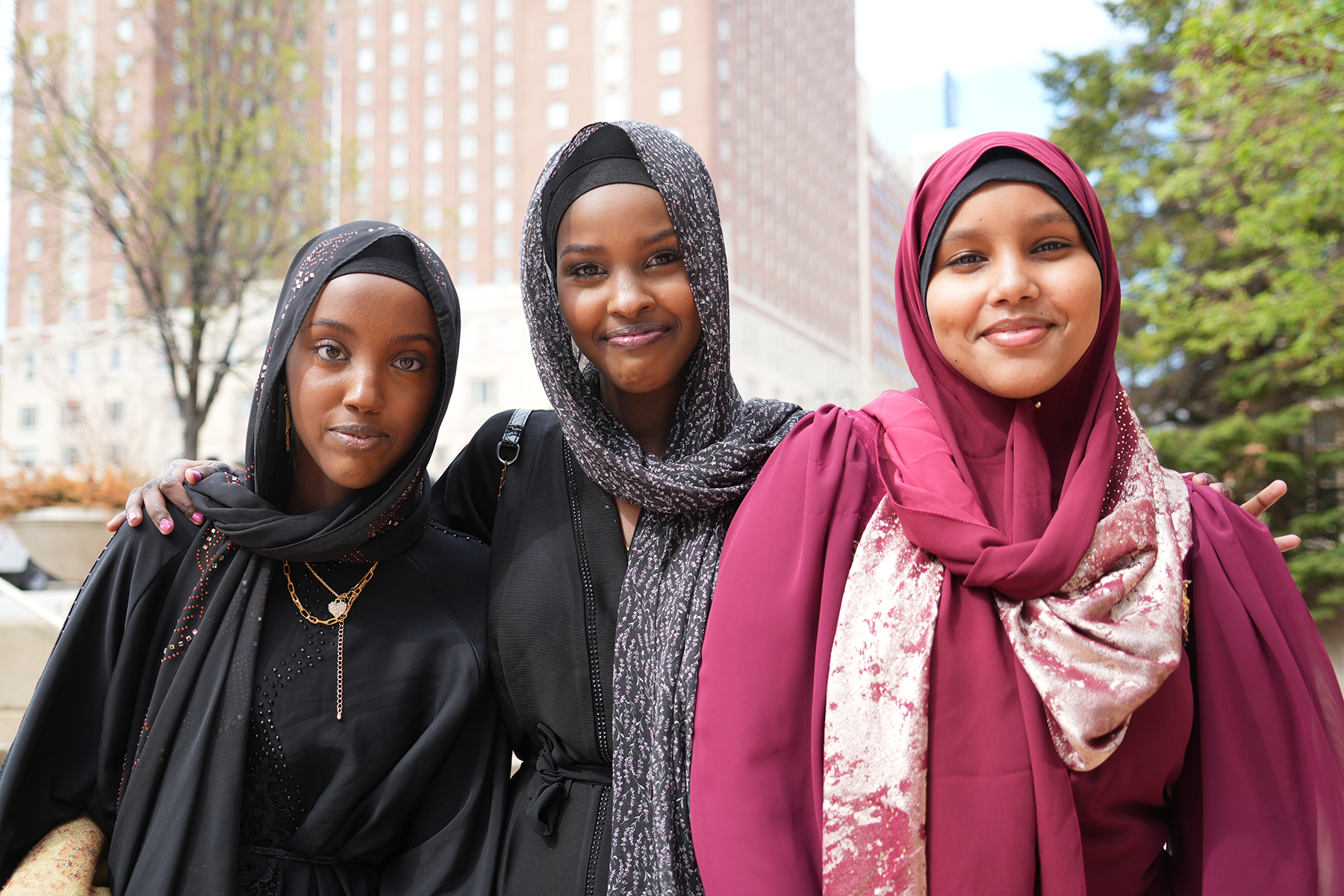
The article “Do Muslim women (still) need saving?” Abu-Ludhog challenged the Western perspectives that assume Muslim women were oppressed by Islam and they need a rescue from outside. Based on her research, she addressed that the Western used the words “saving” Afghanistan women’s suffering just for a political excuse for military action, and cultural intervention. Abu-Ludhog believed Muslim women did not need this external “saving”, what they needed was the justice appropriate for their lives, and contexts. This perspective also connected to transnational feminism when they both rejected the idea of Western feminism can set the universal standard for liberation.

Images of Muslim women

Personal Reflection

Growing up in Vietnam leads to a different perspective of feminism in what women were fighting for and how they built the feminist ideas. In the past few decades, Vietnamese women had been strongly expected to obey the traditional norms, like taking care of children, the elderly, the house, and other conservative rules. Although that inequality still remains in a few smaller areas, Vietnamese women have so much more liberty nowadays. However, moving on from that background, they absolutely have a different lens of feminist evolution, especially Western concepts. The external ideas of feminism appeared as a completely far away from the reality, they could not get adapted and applied to Vietnamese culture.

Abu-Ludhog and Patricia Valoy’s articles also illustrated the limitation of the Western ideas when they tried to apply their concept to global situations. The four waves of feminism kept the Western norms as default, and asked other areas and religions to follow those standards. Therefore, based on the outcomes that were analyzed so far, the contexts of areas, religions or women’s background in general become clearly important when the feminism standards are being built.

As examples of Vietnamese or Muslim women, it did not mean to reject completely what Western ideas were formed. Those ideas basically could not be applied to their culture, but somehow they encouraged women from other countries looking for ways to integrate that with their culture realistically. Different backgrounds should be respected and adapted to modern feminism in their own ways which can be appropriate for the traditions, religions, society and any other needs.

Therefore, feminism should not be a standard to apply globally when it was built mostly by a group of women from similar backgrounds. Instead, feminism is supposed to respect the diversity of different historical, social and cultural contexts.

Conclusion

In conclusion, it is clear to see the challenge of adapting Western activism ideas and the reality of different women’s contexts when they partly ignored other’s cultures, religions and local norms. The power of feminism’s unity should come from the respect towards different backgrounds and modified to be appropriate in their own ways instead of applying one standard for all. So, how can we encourage other women to use their own voice to speak up regardless of the old standards?

Citation